Spice Up Your Cooking: A Beginner’s Guide to Using Indian Spices
PM
Discovering the World of Indian Spices
Indian cuisine is renowned for its vibrant flavors and aromatic spices. For many beginners, diving into the world of Indian cooking can be both exciting and a bit daunting. The key to mastering Indian dishes lies in understanding and using its spices effectively. This guide will help you start your journey by introducing some essential spices and how to use them.
Essential Spices to Get Started
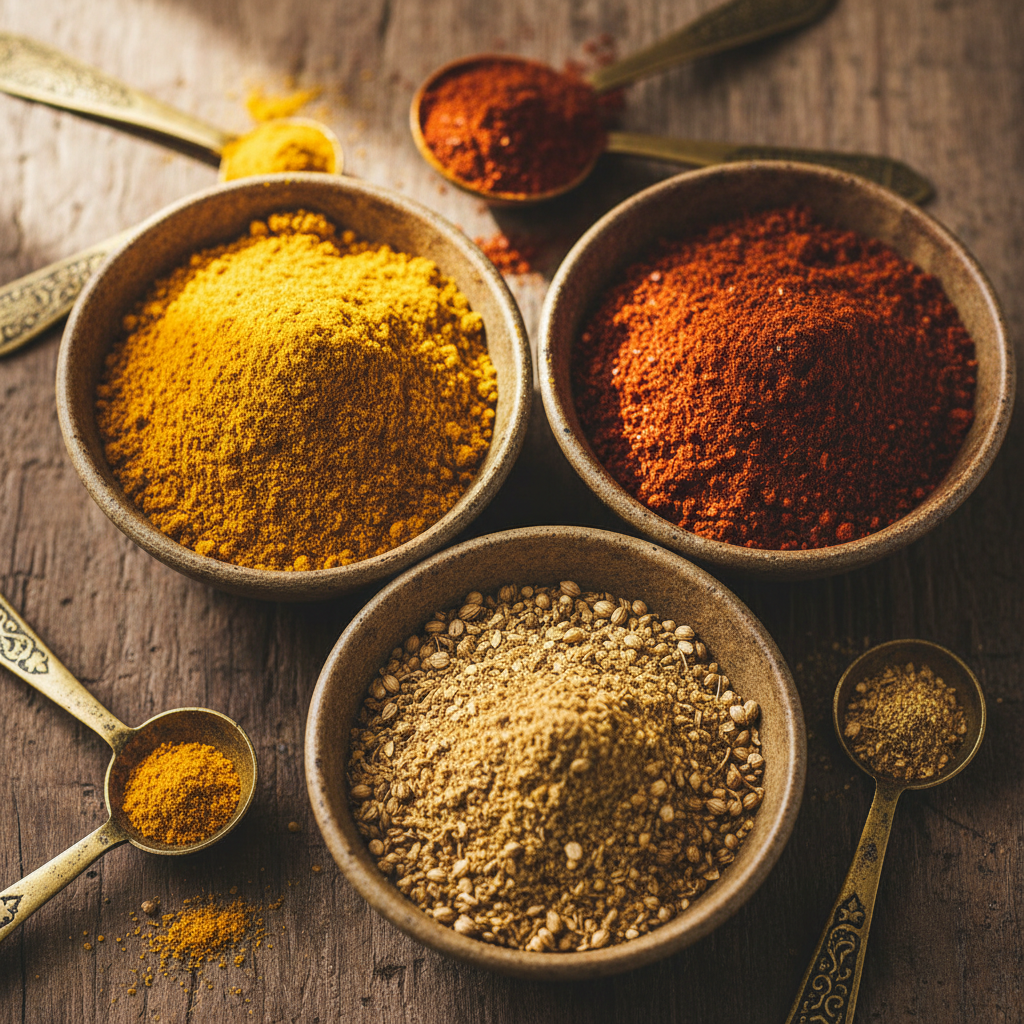
To begin, consider stocking your pantry with a few fundamental Indian spices. These spices form the backbone of many dishes and will provide a solid foundation for your culinary adventures:
- Cumin (Jeera): Known for its earthy aroma, cumin adds depth to dishes like curries and dals.
- Coriander (Dhaniya): This spice has a citrusy flavor and is often used in combination with cumin.
- Turmeric (Haldi): A vibrant yellow spice, turmeric adds color and an earthy bitterness to dishes.
- Garam Masala: A blend of spices, garam masala is used to finish dishes, adding warmth and complexity.
The Art of Blending Spices
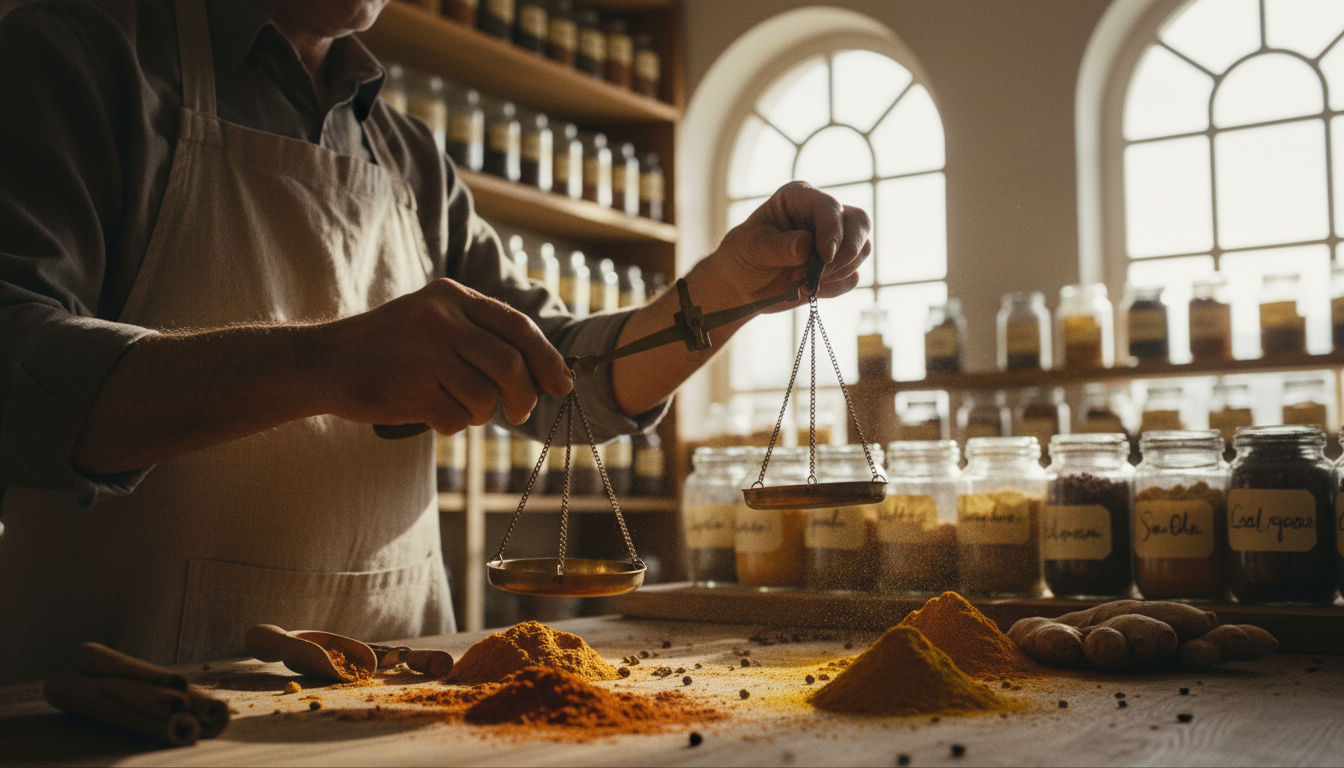
One of the secrets of Indian cooking is the art of blending spices. Each dish may require a unique combination, and mastering this skill can elevate your meals. Start with small quantities, and adjust based on taste and aroma. Remember, it's easier to add more spice than to correct an overly spiced dish!
Cooking Techniques to Enhance Flavor
Indian cooking often involves specific techniques that help maximize the flavor of spices. Here are a few to keep in mind:
- Tempering (Tadka): This involves heating oil and adding spices like mustard seeds or cumin until they pop, releasing their flavors into the oil.
- Roasting: Dry roasting spices before grinding can enhance their fragrance and flavor.
- Grinding: Freshly ground spices are more potent and aromatic than pre-ground versions.
Exploring Regional Variations
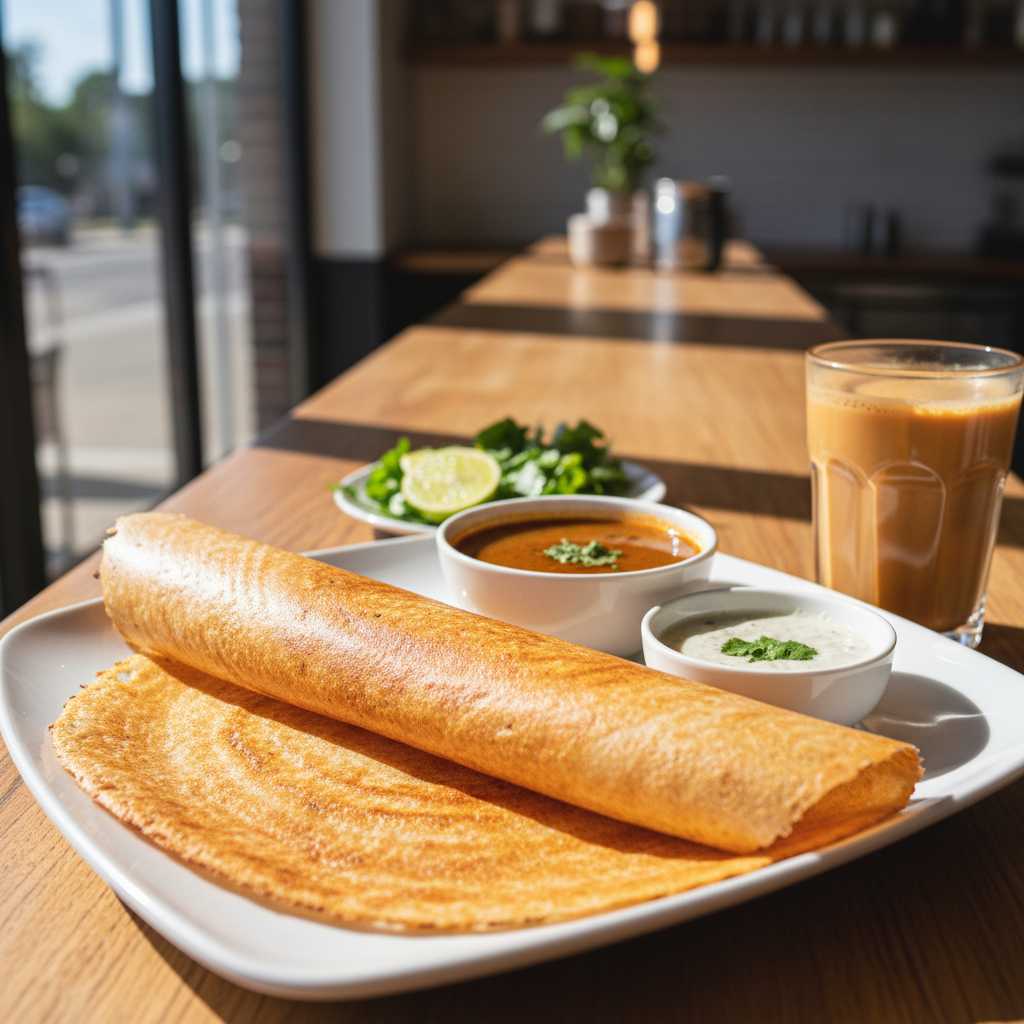
India's diverse regions offer a wide array of flavors and spice blends. For instance, South Indian cuisine often features curry leaves and mustard seeds, while North Indian dishes might highlight cardamom and cloves. Exploring these regional differences can broaden your understanding and appreciation of Indian spices.
Tips for Beginners
Starting with Indian spices can be overwhelming, but here are a few tips to help ease the process:
- Begin with simple recipes that use a few spices to build your confidence.
- Keep your spices fresh by storing them in airtight containers away from heat and light.
- Experiment with small quantities to find your preferred flavor balance.
Conclusion: Embrace the Adventure
Using Indian spices can transform your cooking, offering new flavors and experiences. By understanding the basics and experimenting with different combinations, you'll soon find yourself crafting delicious Indian-inspired dishes. So, embrace the adventure and let your kitchen become a playground of flavors!