Comprehensive Guide to Choosing the Right Dry Fruits for Your Restaurant
PM
Understanding the Importance of Dry Fruits in Your Menu
Incorporating dry fruits into your restaurant's menu can elevate the dining experience, offering both nutritional benefits and a touch of luxury. These naturally preserved fruits are packed with essential vitamins, minerals, and antioxidants, making them a favorite among health-conscious diners. Their rich flavors and textures can enhance a wide range of dishes, from appetizers to desserts.
Factors to Consider When Choosing Dry Fruits
Quality and Freshness
The first step in selecting the right dry fruits is to ensure they are of high quality and freshness. Always source your dry fruits from reputable suppliers who guarantee premium-grade products. Freshness can be determined by the appearance, aroma, and taste. Avoid any that seem discolored or have an off-putting smell.
Flavor Profiles
Each type of dry fruit offers a unique flavor profile that can complement different dishes. For instance, the sweet and chewy texture of raisins pairs well with salads and cereals, while the rich, buttery flavor of almonds enhances baked goods and desserts. Understanding these profiles will help you choose the right dry fruits for specific menu items.

Popular Dry Fruits and Their Culinary Uses
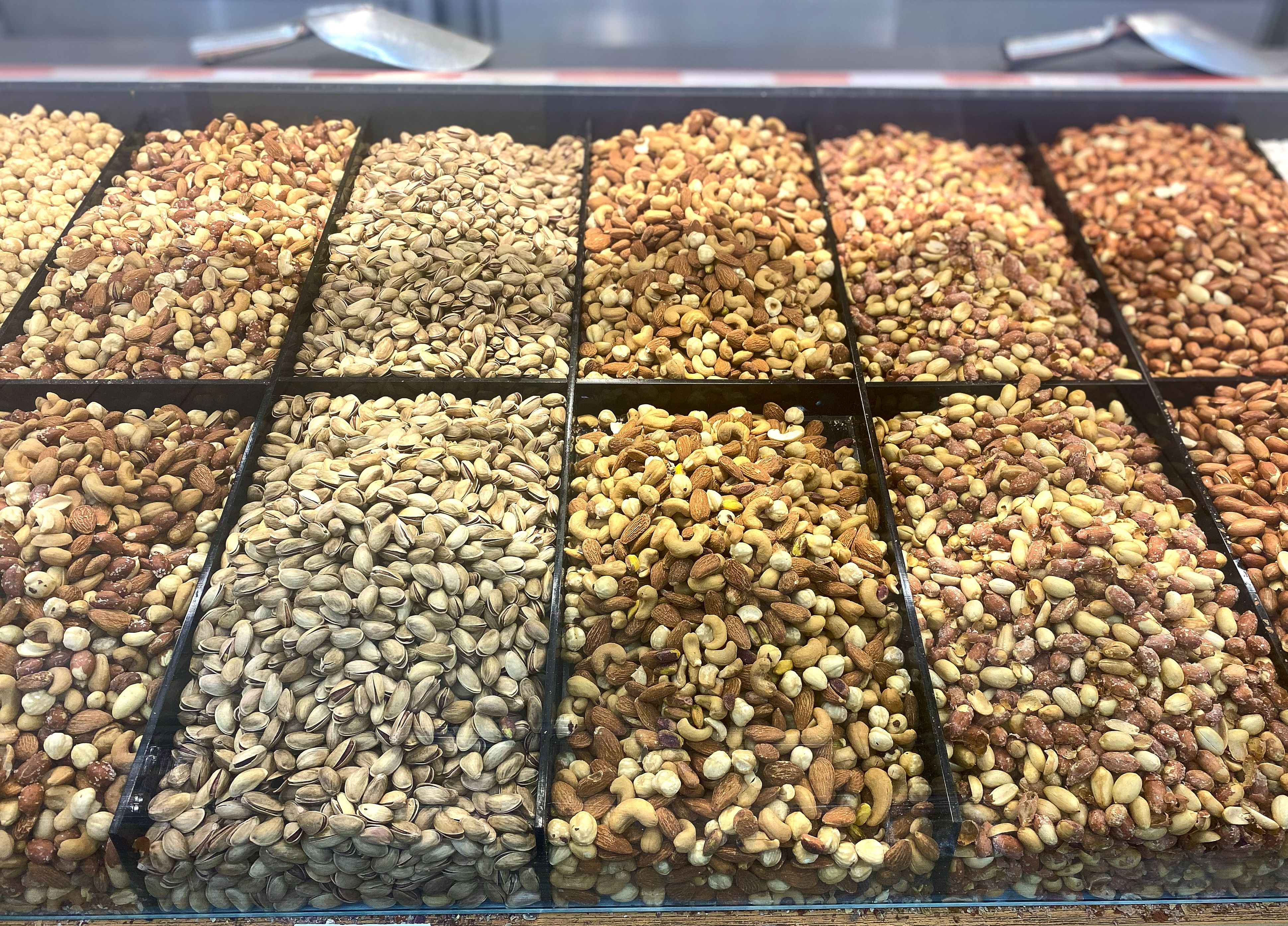
Almonds
Almonds are versatile and can be used in both sweet and savory dishes. They are great for garnishing dishes, adding crunch to salads, or serving as a standalone snack. Their subtle flavor makes them a favorite in pastries and confectioneries.
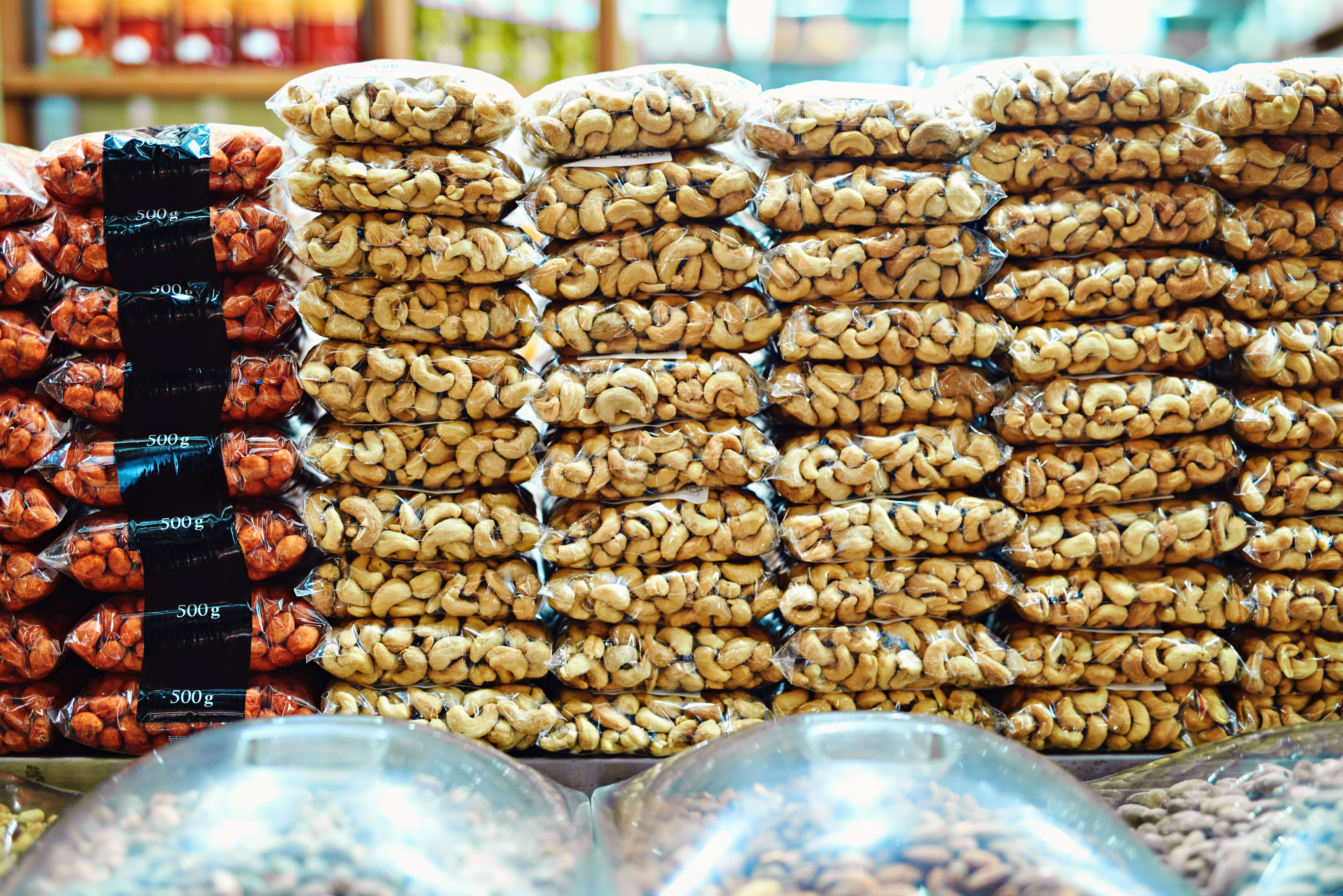
Cashews
Known for their creamy texture and mild taste, cashews are perfect for creating rich sauces and vegan cheese alternatives. They are also excellent in stir-fries and can be roasted for a delightful snack.
Integrating Dry Fruits into Your Menu
Appetizers and Salads
Dry fruits like cranberries and apricots can add a sweet and tangy twist to salads. Consider pairing them with nuts and greens for a refreshing starter. Use raisins or figs in appetizers to provide a natural sweetness that enhances flavors.
Main Courses
Incorporate dry fruits into main courses by adding them to rice dishes, stews, and curries. Their robust flavors can complement spices, providing a balanced taste. Dried apricots and prunes are particularly good in meat dishes, offering a sweet contrast to savory flavors.

Storage and Handling Tips
To maintain the quality of your dry fruits, proper storage is essential. Keep them in airtight containers in a cool, dry place to prevent moisture absorption and spoilage. Regularly check for any signs of mold or pests, and always rotate stock to use the oldest products first.
Incorporating dry fruits into your restaurant's offerings not only enriches your menu but also caters to diverse dietary preferences. With their myriad benefits and versatile uses, they can transform ordinary dishes into gourmet delights, ensuring your guests leave satisfied and impressed.