How to Choose the Best Spices for Indian Cooking
PM
Understanding Indian Spices
Indian cooking is renowned for its rich and diverse flavors, largely due to the intricate use of spices. Understanding the role of each spice is crucial in crafting authentic Indian dishes. Spices not only add flavor but also bring color and aroma to your meals. Some spices are used for their health benefits, while others are integral to the cultural significance of the dish.
Essential Spices for Indian Cooking
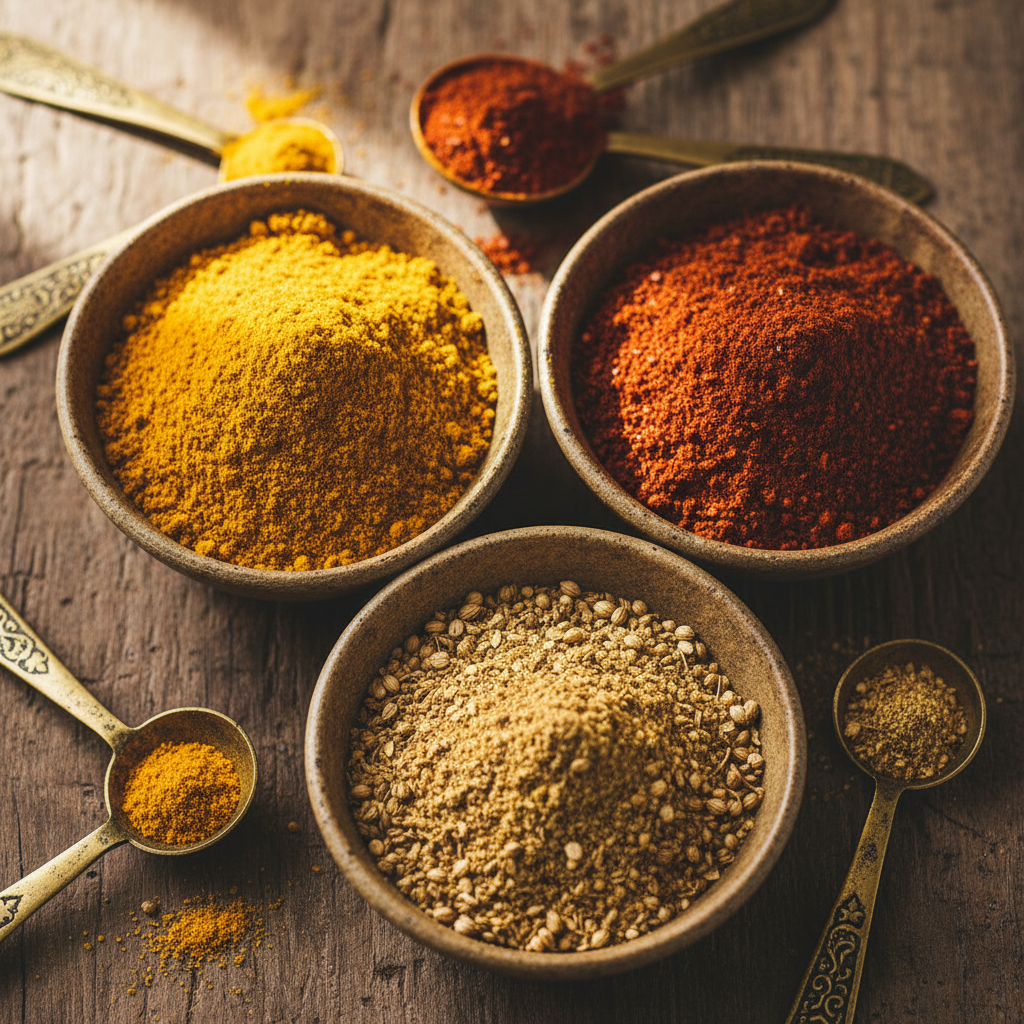
There are a few spices that are staples in Indian cuisine. These include:
- Cumin: Adds a warm, earthy flavor.
- Coriander: Offers a mild, citrusy taste.
- Turmeric: Provides a vibrant color and mild bitterness.
- Mustard Seeds: Known for their pungent flavor.
- Garam Masala: A blend of spices that adds depth.
Choosing Quality Spices
When selecting spices, freshness is key. Opt for whole spices whenever possible, as they retain their flavor longer than ground spices. Look for spices that are vibrant in color and have a strong aroma. Buying from trusted suppliers or specialty stores ensures higher quality.
Storing Your Spices
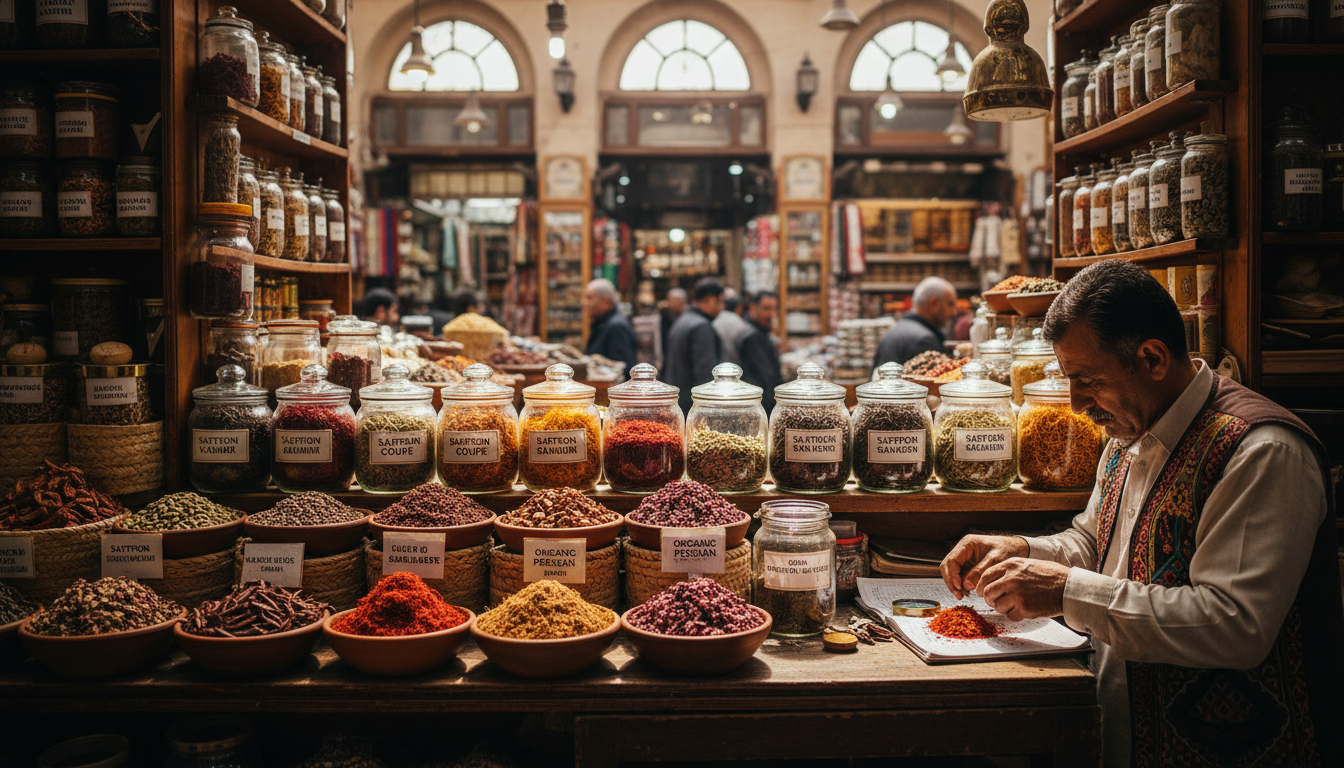
Proper storage is essential to maintain the potency of your spices. Keep them in airtight containers, away from light and moisture. A cool, dark pantry is ideal. Regularly check for expiry dates, as old spices can lose their flavor and effectiveness over time.
Experimenting with Spice Blends
Creating your own spice blends can be a rewarding experience. Start with basic blends and gradually experiment with different combinations. For example, a homemade garam masala can be tailored to your taste preferences, allowing you to control the intensity and balance of flavors.

Using Spices in Different Dishes
Each Indian dish requires a unique combination of spices. For example, a curry might rely heavily on turmeric and cumin, while a biryani would benefit from saffron and cardamom. Understanding these combinations can help you create a more authentic and flavorful meal.
Health Benefits of Spices
Many Indian spices are known for their health benefits. Turmeric, for example, has anti-inflammatory properties, while cumin aids digestion. Incorporating these spices into your cooking not only enhances flavor but also contributes to overall wellness.
Experimenting with New Flavors
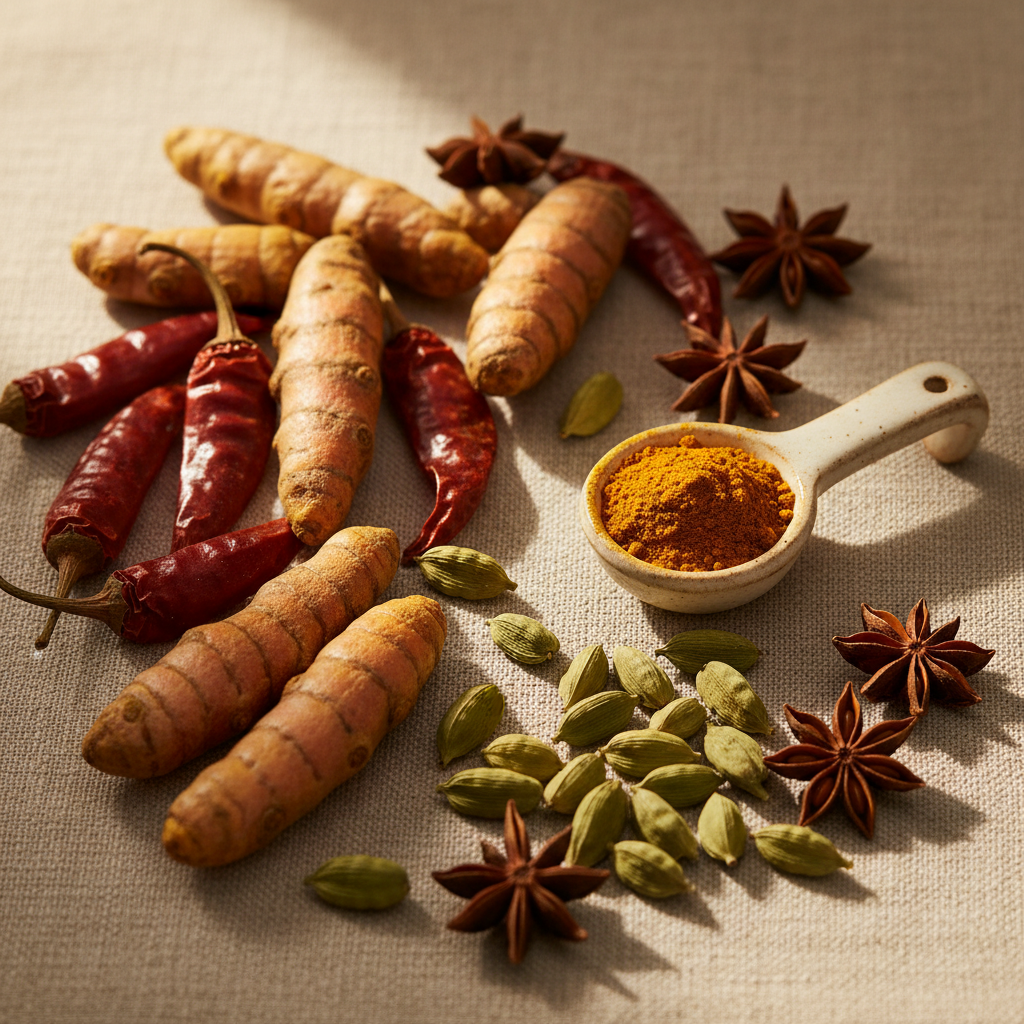
Don't be afraid to experiment with spices you are unfamiliar with. Exploring regional variations of Indian cuisine can introduce you to new and exciting flavors. Whether it's the tangy amchur (dried mango powder) or the aromatic fennel seeds, there's always something new to discover.
By understanding and choosing the right spices, you can elevate your Indian cooking to new heights, creating delicious, authentic dishes that are rich in flavor and tradition.