Myths About Storing Dry Fruits: What You Really Need to Know
PM
Understanding the Basics of Dry Fruit Storage
Dry fruits are a popular and nutritious snack, offering a range of health benefits. However, there are several myths surrounding their storage that can lead to spoilage or loss of flavor. Understanding the right way to store dry fruits can help preserve their quality and extend their shelf life.
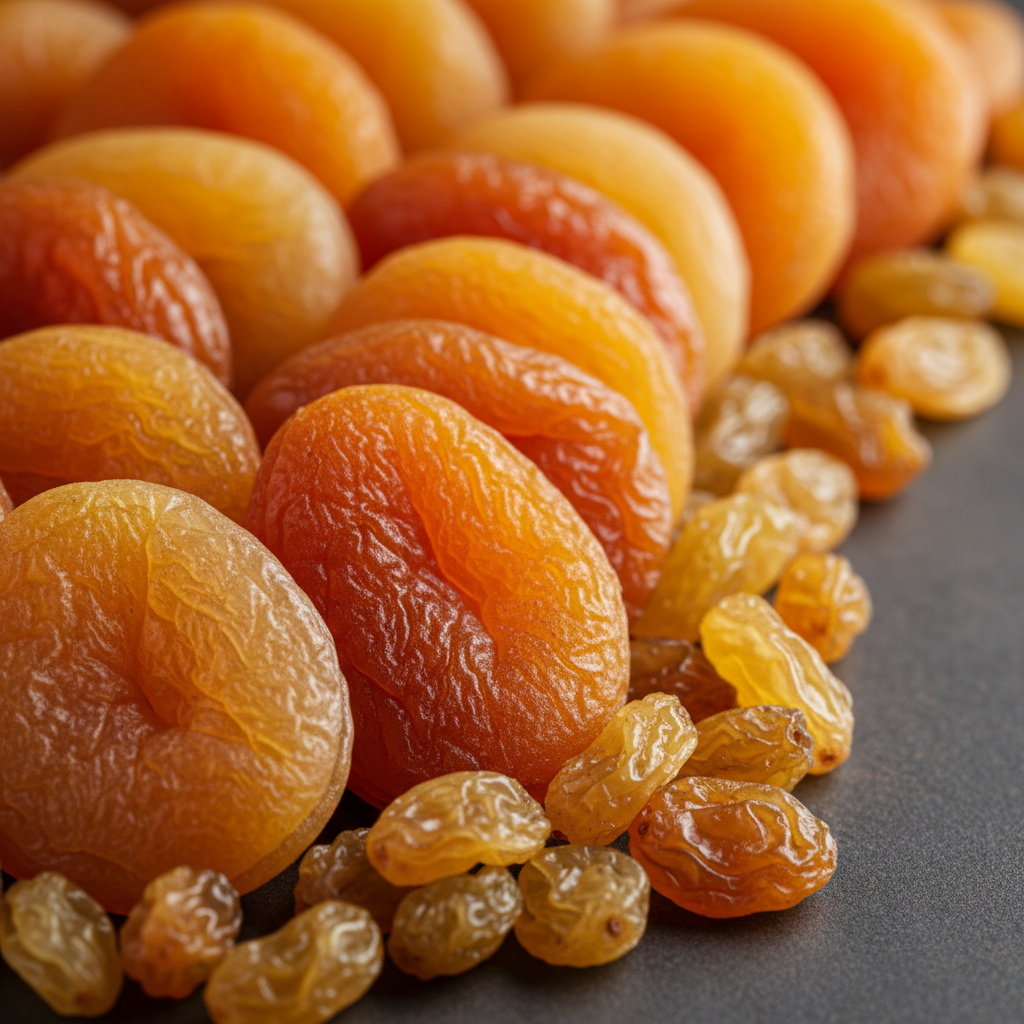
Myth 1: All Dry Fruits Have the Same Storage Needs
A common misconception is that all dry fruits need to be stored in the same way. In reality, each type of dry fruit has its own storage requirements. For instance, almonds prefer a cool, dark place, while raisins thrive in a more humid environment. Recognizing these differences can help maintain their freshness.
Proper storage often involves keeping dry fruits away from direct sunlight and moisture. A pantry or a cabinet can be ideal for most types, but some may require refrigeration or airtight containers for optimal preservation.
Myth 2: Refrigeration Is Always Necessary
Many people believe that all dry fruits must be refrigerated to stay fresh. While refrigeration can help extend the shelf life of certain types, such as walnuts and cashews, it is not always necessary for others. Storing some dry fruits in the refrigerator can actually lead to moisture absorption, which may affect their texture and taste.
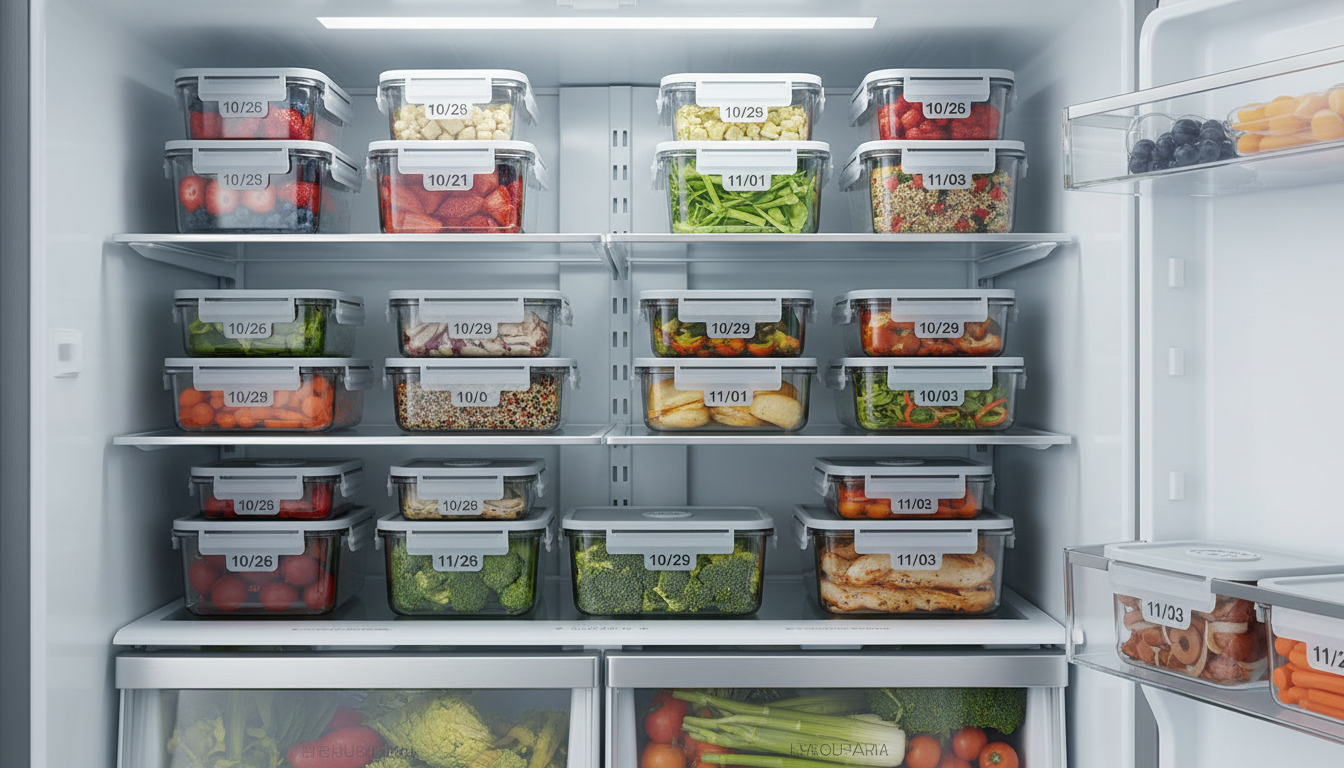
For dry fruits that do not require refrigeration, a cool and dry area in your kitchen can often suffice. Always ensure that containers are sealed tightly to prevent exposure to air and humidity.
Myth 3: Expiry Dates Are Not Important
Another myth is that dry fruits do not have an expiration date. While they may last longer than fresh fruits, they still have a limited shelf life. Over time, dry fruits can lose their flavor, become stale, or even develop mold if not stored properly.
Checking the packaging for expiry dates and practicing the “first in, first out” method can help ensure that you consume dry fruits while they are at their best quality.
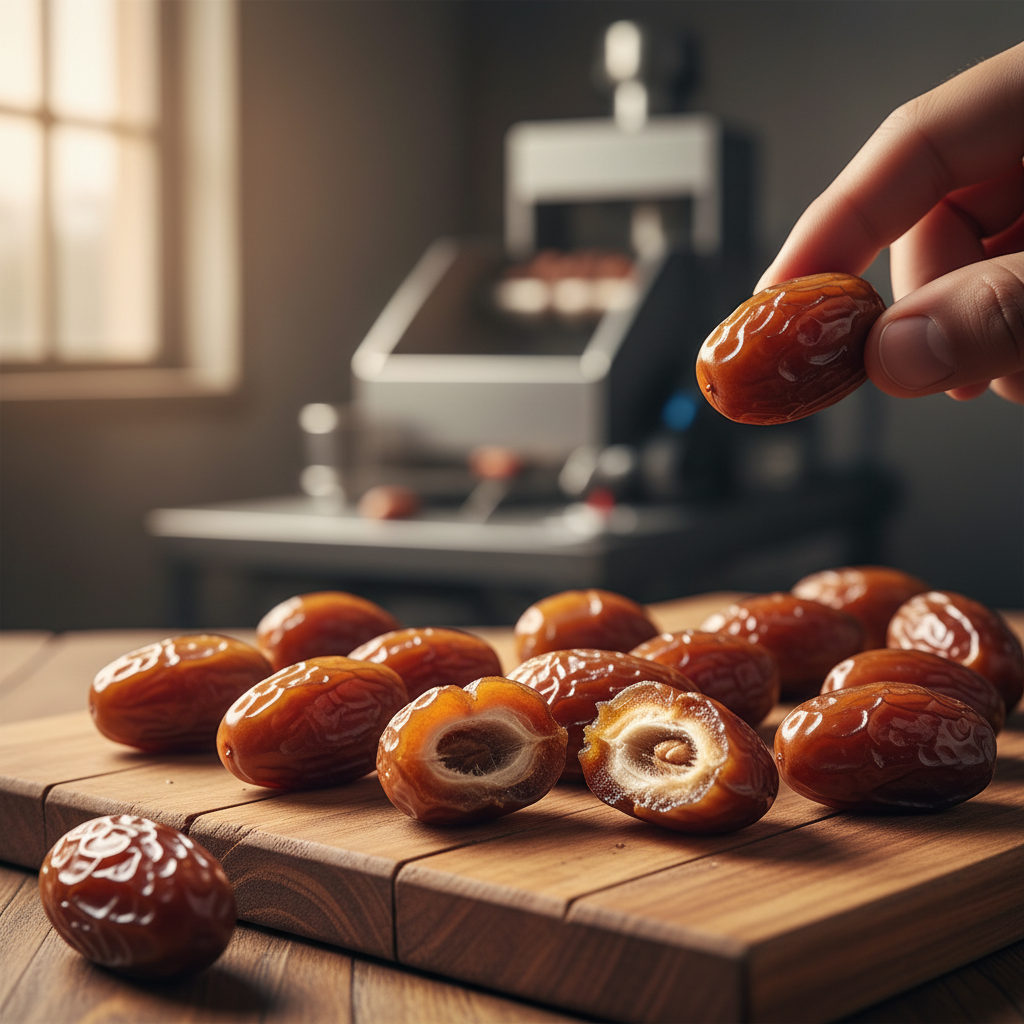
Myth 4: All Containers Are Suitable for Storage
Not all containers are created equal when it comes to storing dry fruits. Using the wrong type can result in exposure to air and moisture, which can degrade the quality of the fruits. Opt for airtight containers made of glass or high-quality plastic to ensure a proper seal.
Additionally, labeling containers with purchase dates can help you keep track of freshness, allowing you to rotate your stock effectively.
Conclusion: Best Practices for Storing Dry Fruits
Understanding the unique storage needs of different dry fruits is essential for maintaining their quality and nutritional value. By dispelling these common myths and following the right storage practices, you can enjoy the delicious taste and health benefits of dry fruits for much longer.
Remember, the key is to keep them cool, dry, and away from direct sunlight. Proper storage not only preserves their flavor but also ensures that you’re getting the most out of your healthy snack choices.