Seasonal Dry Fruits: A Guide to Choosing the Best for Every Occasion
PM
Dry fruits have been cherished for centuries, not only for their delightful flavors but also for their incredible health benefits. As the seasons change, so does the selection of available dry fruits. Knowing which ones to choose can enhance both your culinary experiences and your nutritional intake.

Why Choose Seasonal Dry Fruits?
Seasonal dry fruits are harvested at their peak, ensuring the best taste and nutritional value. They are typically more affordable and environmentally friendly, as they require less transportation and storage. Incorporating these fruits into your diet can offer a rich source of vitamins, minerals, and antioxidants.
Whether you are preparing a festive meal or simply looking for a healthy snack, seasonal dry fruits can be a versatile addition to your pantry.
Spring Selections
Spring is a time of renewal, and the dry fruits available during this season reflect that freshness. Consider adding apricots and figs to your diet. Apricots are rich in vitamin A and can boost eye health, while figs provide a good source of dietary fiber and can aid in digestion.

Summer Favorites
When summer arrives, the heat demands refreshing and hydrating snacks. Dates and raisins are excellent choices for summer dry fruits. Dates are loaded with energy-boosting natural sugars, and raisins can help maintain electrolyte balance due to their potassium content.
These fruits can be used in a variety of dishes, from salads to desserts, adding a natural sweetness without the need for processed sugars.
Autumn Delights
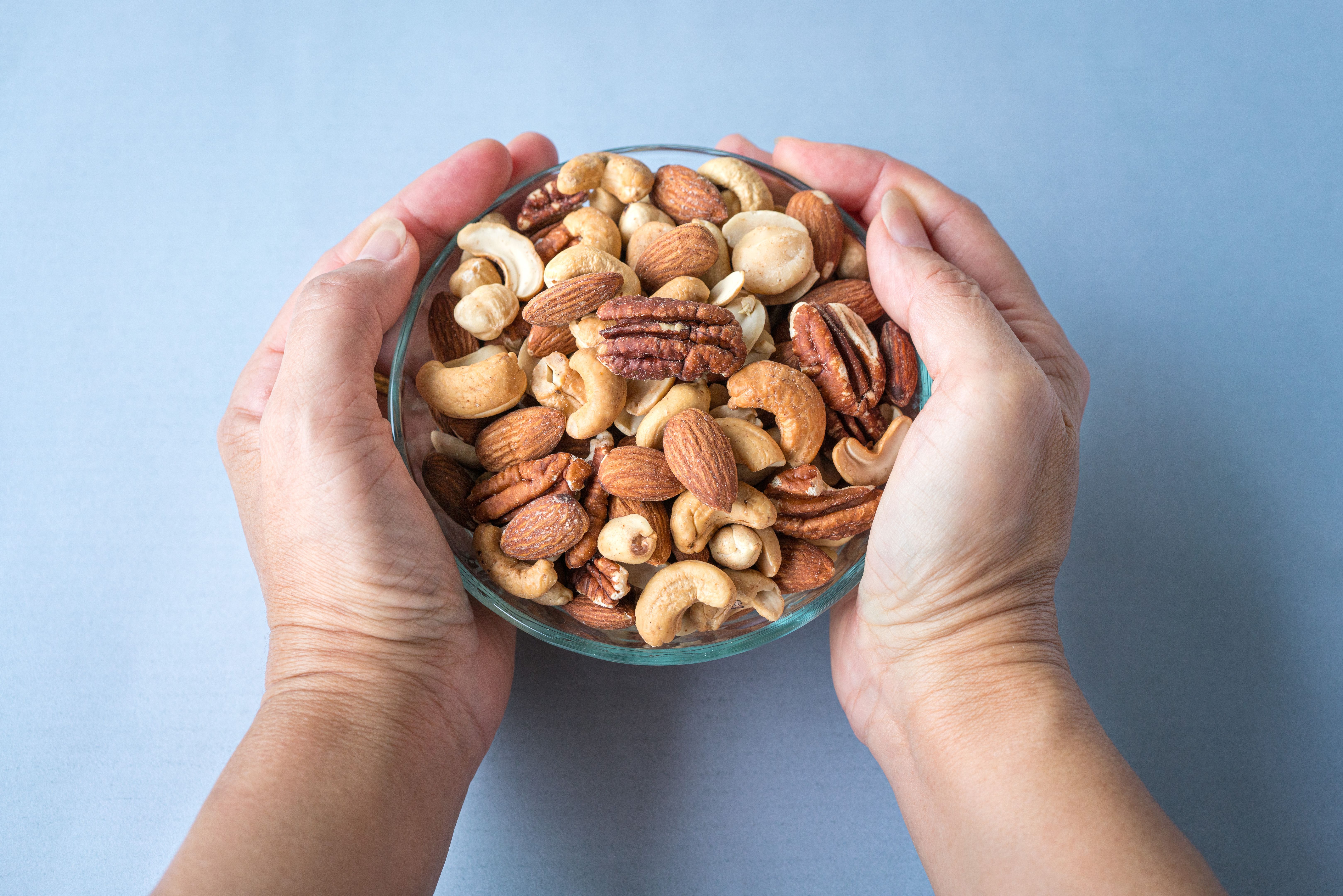
Autumn brings a bounty of rich and flavorful dry fruits like almonds and walnuts. Almonds are a great source of vitamin E, which is beneficial for skin health, while walnuts provide omega-3 fatty acids, supporting brain function.
Winter Wonders
As the cold weather sets in, your body may crave more energy-dense foods. Winter dry fruits like pistachios and prunes can be particularly comforting. Pistachios are packed with protein and healthy fats, while prunes offer a good source of iron and can help fight winter fatigue.
Incorporate these into your winter dishes for an added nutritional boost.
Choosing Quality Dry Fruits
When selecting dry fruits, look for those that are plump and free from added sugars or preservatives. Organic options are often the best choice as they are less likely to contain harmful chemicals.
- Check for freshness by ensuring there are no signs of mold or discoloration.
- Opt for unsweetened versions to avoid unnecessary sugars.
- Store in a cool, dry place to maintain quality.
Conclusion
Incorporating seasonal dry fruits into your diet can be both a delicious and healthful choice. By selecting the right fruits for each season, you can enjoy their maximum flavor and nutritional benefits. Whether you’re snacking on them alone or adding them to your favorite recipes, these versatile fruits are sure to delight.